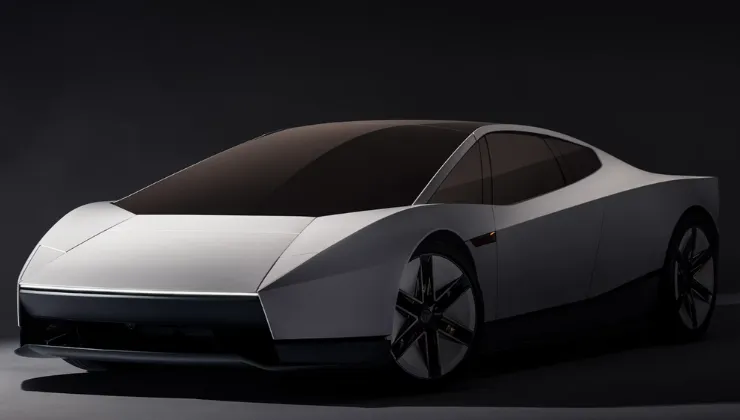
Imagine driving a car which can fly by only pressing a button and watching it lift into the air to cross traffic. Such a thing feels funny and impossible, but Elon Musk and his team are working towards such an idea of a flying car.
The new Roadster is a car which is capable of temporarily leaving the ground to some extent, and it’s different from a flycraft.
What is a Tesla Flying Car?
The Tesla flying car is a vehicle designed by the Tesla company owned by Elon Musk. This car is a car which can travel on roads and also move through air. It has attracted attention because Tesla specialises in electric vehicles and advanced automotive technology, while its CEO , Elon Musk , also leads spaceX, a company focused on aerospace engineering.
The latest development behind these discussions is the next-generation Tesla Roadster. On October 15, 2026, Tesla unveiled a demonstration featuring a roadster equipped with SpaceX-related thruster technology. Reports described brief airborne maneuvers, including a mid-air turn alongside other dramatic demonstrations.
However, it is important to distinguish this vehicle from a conventional flying car. The demonstrated roadster is an experimental, high-performance sports car with specialised technology. It is not a typical aircraft designed to take off vertically or fly over cities and land at a destination like an aeroplane or an air taxi.
How Does the Tesla Flying Car Concept Work?
Traditional cars use wheels, electric motors and tyres to travel on roads. The aeroplanes, on the other hand, depend on aerodynamic lift, rotors, wings or thrust to remain in the air.
But the roadster flying car is the combination of road transportation and in-air flying due to limited thrust. This flying car uses thrusters associated with SpaceX technology. According to reports in October 2026, a conventional flight system for everyday transportation is demonstrated.
Rocket-style thrusters can generate powerful forces, but they are not the same as the propellers or rotors typically used by electric vertical take off and landing aircraft known as eVTOLs.
A practical flying car would also need to address stability, passenger protection, energy consumption, noise, emergency landing procedures, and safe operation around buildings and other aircraft. That is why the Tesla Roadster demonstration should be viewed as an engineering showcase rather than proof that flying cars are ready for ordinary roads and skies.
Tesla Roadster Flying Car 2026: The Car Behind Headlines
The second-generation Tesla Roadster has been anticipated for years. Originally announced in 2017, it was presented as an all-electric sports car focused on extreme acceleration, high speed, and long-distance performance.
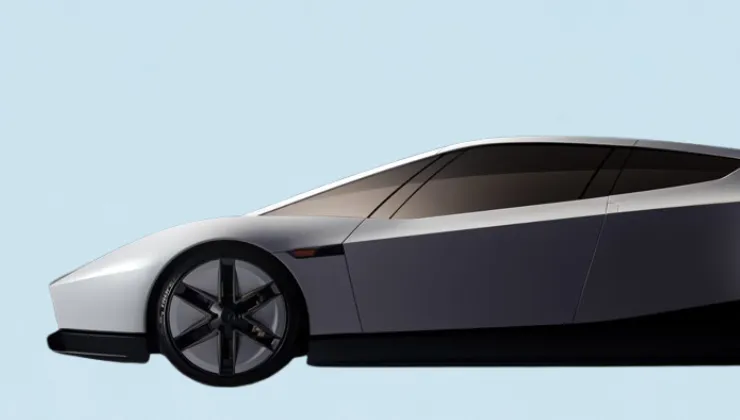
The October 2026 unveiling brought the vehicle back into the spotlight with a dramatic demonstration involving SpaceX-related thrusters. Reuters reported that rather than a completed delivery programme. The company has also described different Tesla Flying Car configurations, including performance-orientated versions and a special rocket variant featuring a more extensive thruster system.
It is important not to confuse the rocket configuration with a fully certified passenger aircraft. The reported demonstration involved a remotely operated vehicle without a person inside.
For enthusiasts, the roadster represents an ambitious combination of electric vehicle engineering and aerospace-inspired technology. For potential buyers, however, its real-world capabilities and eventual availability will matter more than a demonstration.
Tesla Roadster Electric Car Price
One of the biggest questions about this flying car is its price and when it will be launched. Tesla’s next generation roadster has been positioned as a premium sports car. Reuters reported that the reservation page following the October 2026 unveiling listed a $50000 deposit for the performance version and a $250000 deposit for the thrust version.
The Rocket configuration was described as invitation-only. These figures are deposits, not the full purchase prices of the vehicles.
Is the Tesla Flying Car safe?
Safety is one of the most important issues in Tesla flying car development. A conventional car crash and an aircraft accident involve different risks. A flying vehicle must be careful about its behaviour in the air; potential failures at altitude can be dangerous, and injuries can occur.
Rocket-style thrusters also create engineering concerns involving high forces, heat or persuaded systems, noise and the possibility of component failure. These factors require rigorous testing before a vehicle can be considered suitable for routine passenger use.