
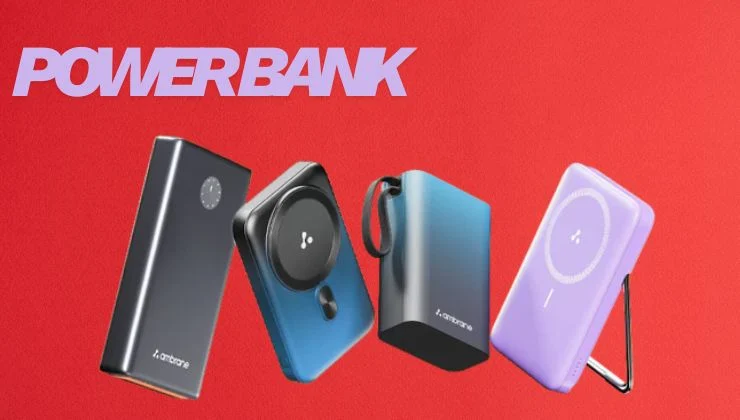
In today’s fast-paced digital world, staying connected is essential. From smartphones and tablets to wireless earbuds and smartwatches, our dependence on portable devices continues to grow. This is where a power bank becomes an indispensable accessory. However, choosing the right power bank is not just about picking the biggest battery—it involves understanding capacity, charging technology, compatibility, and safety features. This buying guide breaks down everything you need to know before making a purchase.
Understanding Power Bank Capacity
Capacity is one of the most important factors when selecting a power bank. It is measured in milliampere-hours (mAh) and determines how many times your device can be charged.
For casual users who need occasional top-ups, a lower-capacity power bank may be sufficient. On the other hand, frequent travelers or users with multiple devices may require a high-capacity model that can deliver multiple charges in a single cycle. Keep in mind that actual output capacity is slightly lower than the rated capacity due to energy loss during conversion.
Before choosing, consider:
- How many devices you need to charge
- Battery size of your primary device
- Frequency of use during travel or daily routines
Charging Speed: What Really Matters
Charging speed plays a crucial role in overall convenience. A power bank with efficient charging technology can significantly reduce the time your devices spend plugged in. Output power, measured in watts (W), determines how fast energy is delivered to your device.
Modern power banks support multiple charging standards and output levels, allowing them to adapt to different devices. If you frequently charge your phone during short breaks or while commuting, opting for a power bank with higher output can improve your overall experience.
Also, consider the number of output ports. Multi-port power banks allow you to charge more than one device simultaneously without compromising performance.
Cable Compatibility and Port Types
Compatibility is another essential aspect that is often overlooked. Power banks come with different input and output ports, and using the right cable ensures efficient charging.
While newer devices may use Type-C connectors, many accessories and older devices still rely on a micro USB cable. Some power banks support micro USB input for recharging the power bank itself, making them compatible with commonly available cables. This can be particularly useful when traveling or sharing chargers.
Before buying, check:
- Input port type for recharging the power bank
- Output ports supported by your devices
- Whether cables are included or need to be purchased separately
Safety Features You Should Never Ignore

Safety is a critical factor when choosing a power bank. Poor-quality batteries can pose risks such as overheating, overcharging, or short circuits. A reliable power bank should include built-in safety mechanisms to protect both the device and the user.
Key safety features to look for include:
- Overcharge and over-discharge protection
- Short-circuit protection
- Temperature control
- Surge protection
Certified power banks that comply with national and international safety standards provide better reliability and peace of mind, especially for frequent or long-term use.
Portability and Design Considerations
Portability matters just as much as performance. If you carry your power bank daily, a compact and lightweight design will be more convenient. Slim power banks easily fit into pockets or bags, making them ideal for commuters and travelers.
Design elements such as textured surfaces, durable casing, and LED indicators can also enhance usability. LED indicators help you monitor remaining battery levels, ensuring you’re never caught off guard with a drained power bank.
Airline and Travel Compatibility
If you travel often, it’s important to ensure your power bank complies with airline regulations. Most airlines allow power banks in carry-on luggage within specified capacity limits. Always check the power bank’s watt-hour rating and airline guidelines before flying.
Travel-friendly power banks are designed to balance capacity and portability while remaining compliant with safety regulations.
Making the Right Choice
Choosing the right power bank depends on your lifestyle and charging needs. Whether you need a compact option for everyday use or a high-capacity model for extended trips, understanding capacity, charging speed, cable compatibility, and safety features will help you make an informed decision.
A well-chosen power bank ensures uninterrupted connectivity, protects your devices, and provides reliable performance wherever you go. By focusing on quality and functionality rather than just capacity numbers, you can invest in a power bank that truly enhances your digital experience.